
XingAI Cook How-To — Ramen Battle, Station No. 1
How to Cook Shin Green Ramen at Home
Tonight's decision, made for you: one pack of Nongshim Shin Green, water measured the pack's own way, tomatoes and greens in first, the whole seasoning pack, a few drops of lemon — a springy, gentle bowl in about ten minutes, with not a hint of the fire the Shin name promises.
The name says Shin. The bowl says gentle: the whole seasoning pack went in, and it still wasn't spicy — this is the Shin anyone can eat.
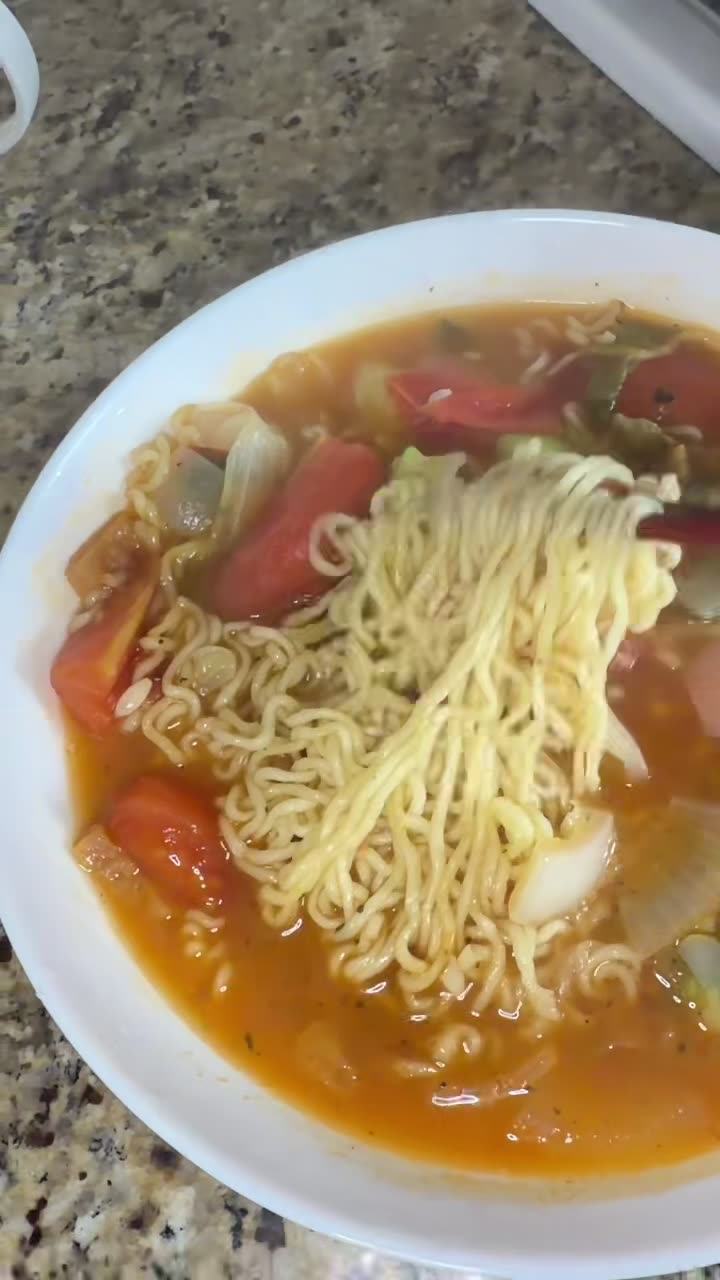
This is station No. 1 of our Ramen Battle — the run through every pack on our table, one at a time, each cooked and judged at home before the next one opens. First up is Nongshim Shin Green (Mushroom & Fried Tofu), the green pack in the Shin family, 125 g. It was cooked at our table on November 2, 2026, and filmed the whole way; every photo in this guide is a frame from that cooking.
Two methods run through this page side by side. The pack's own method, read off the back of our pack: boil 500 mL of water, add the noodles, seasoning and flakes, and cook for 4½ minutes — with a texture table if you want it firmer or softer. And our house method, which is the same bowl with a family's habits in it: the vegetables go in first, and lemon finishes it. Both are written down; the verdict at the end is mine, in my own words.
Watch the full lesson: The Great Ramen Battle No. 1 — Shin Green: The Whole Pack, and Still Not Spicy
What you need
- One pack of Nongshim Shin Green (Mushroom & Fried Tofu) — the noodle block, seasoning and flakes are inside
- 500 mL water — the pack's own measure
- A tomato or two, cut in wedges
- Green vegetables on hand — ours that day: green pepper, cucumber, leafy greens and onion
- A lemon — a few drops only, for the finish
- A pot, and one big bowl to serve it in
The family method, step by step
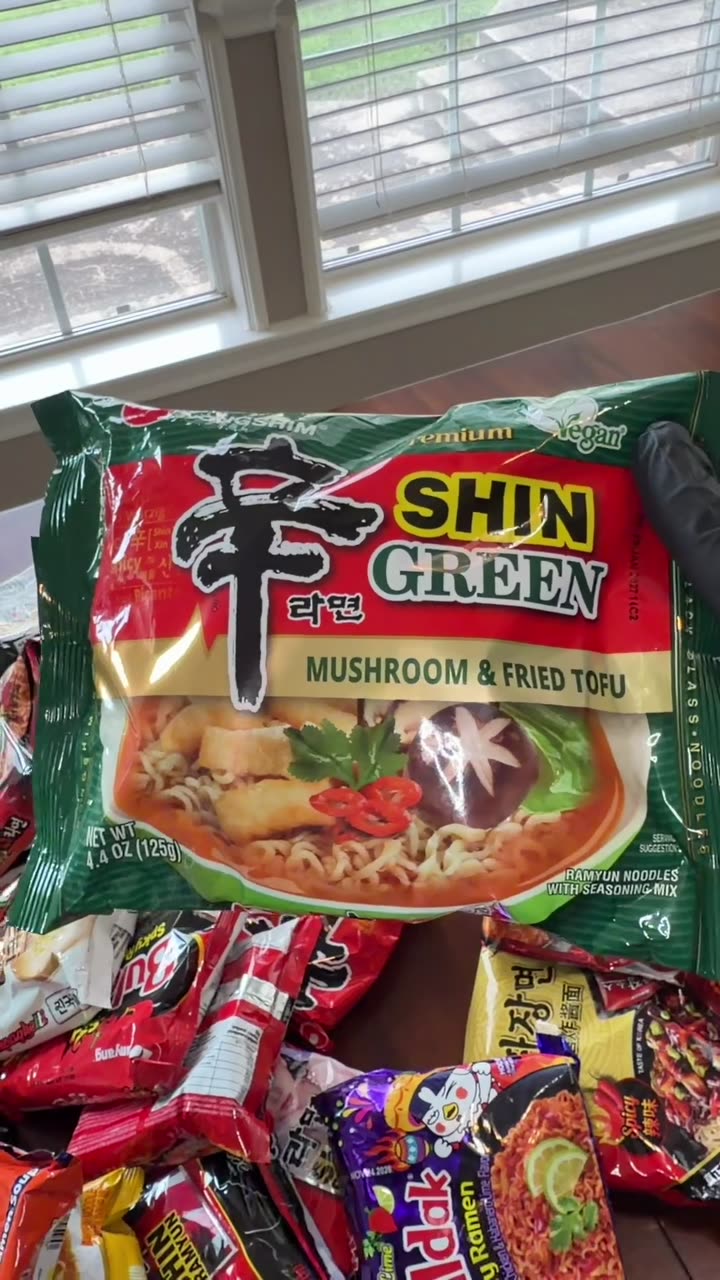
1. Meet the pack
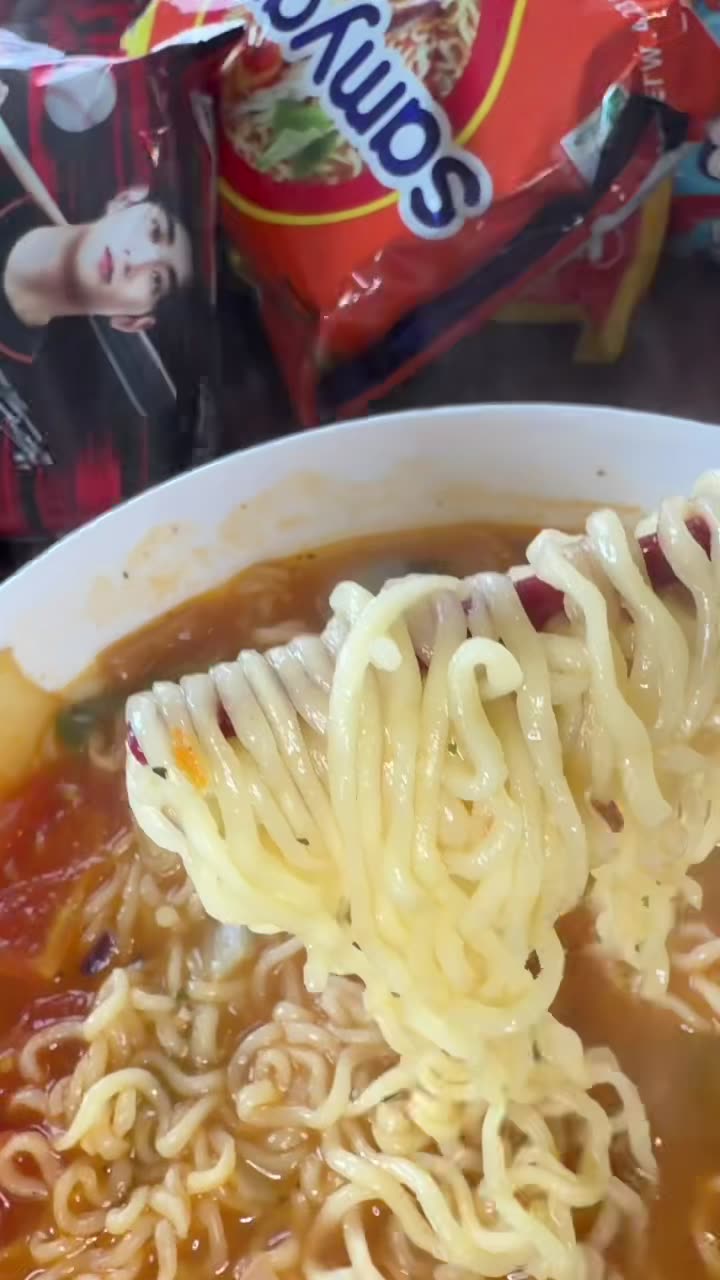
Shin Green is the mild-mannered member of the Shin family: mushroom and fried tofu, in the green pack. Inside are the noodle block, the seasoning base and the flakes. Before anything boils, turn the pack over — the back carries the whole method: 500 mL of water, 4½ minutes, and a texture table (4 minutes firm, 4½ medium, 5 soft). Our roster entry for this pack keeps its label facts and photos; this guide is the cooking.
Why: the pack is the recipe. Everything this bowl needs measured or timed is printed on its back — all we add is vegetables and habits.
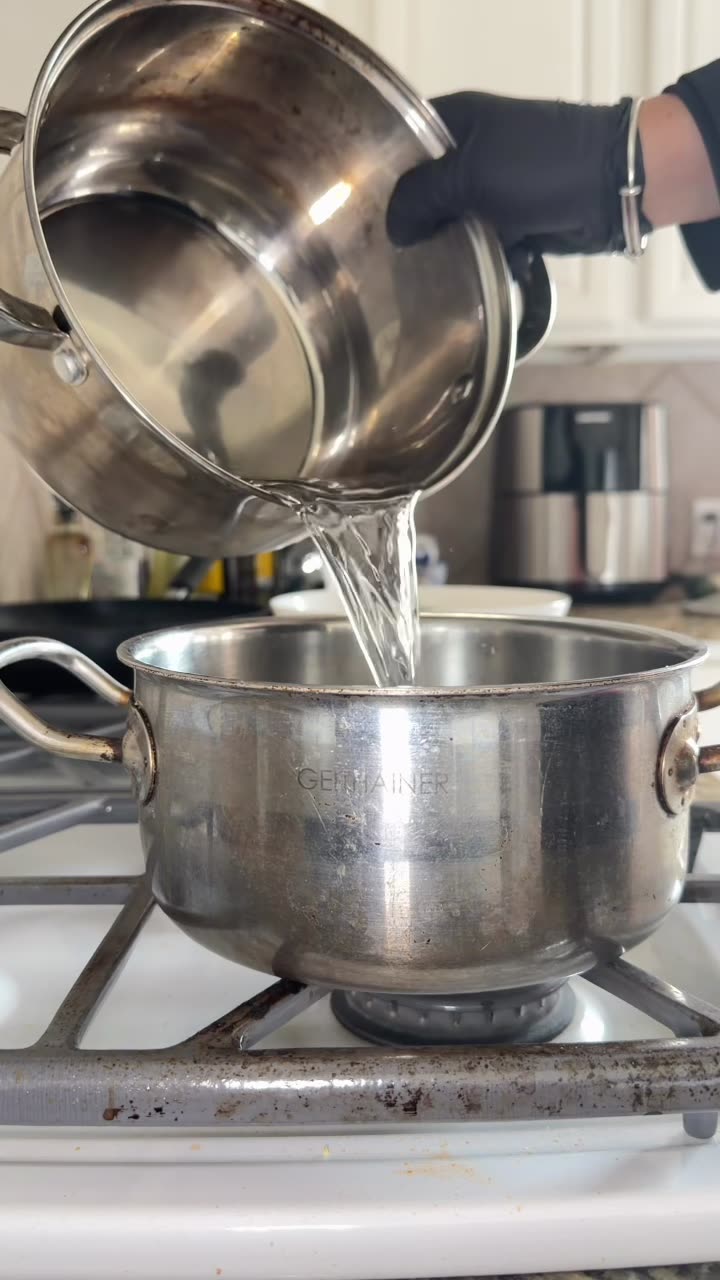
2. The pack's measure of water
Pour 500 mL of water into the pot and bring it to a real boil. That measure is the pack's own, printed in its directions — not a guess and not a habit. Too much water and the broth runs thin; too little and the noodles crowd.
Why: instant ramen is portioned like a kit. The water line is part of the seasoning, decided by the maker; our job is to respect it — and then make the bowl ours.
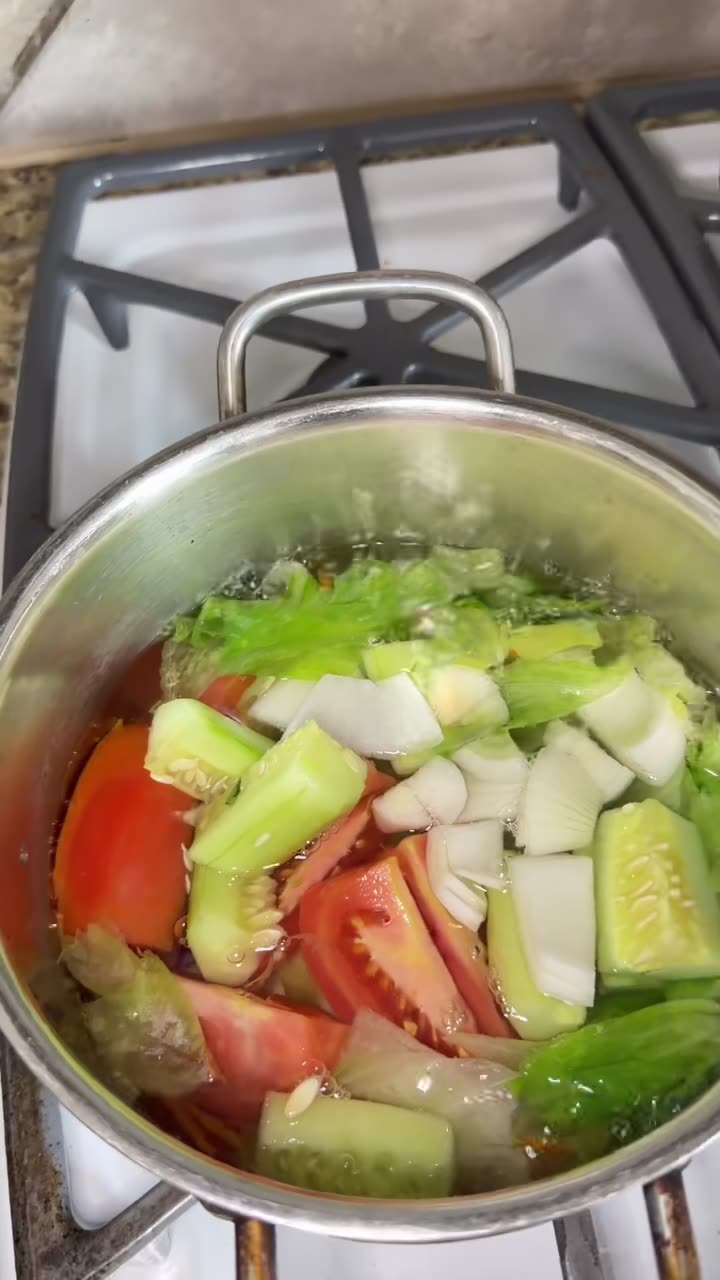
3. Vegetables first — the house move
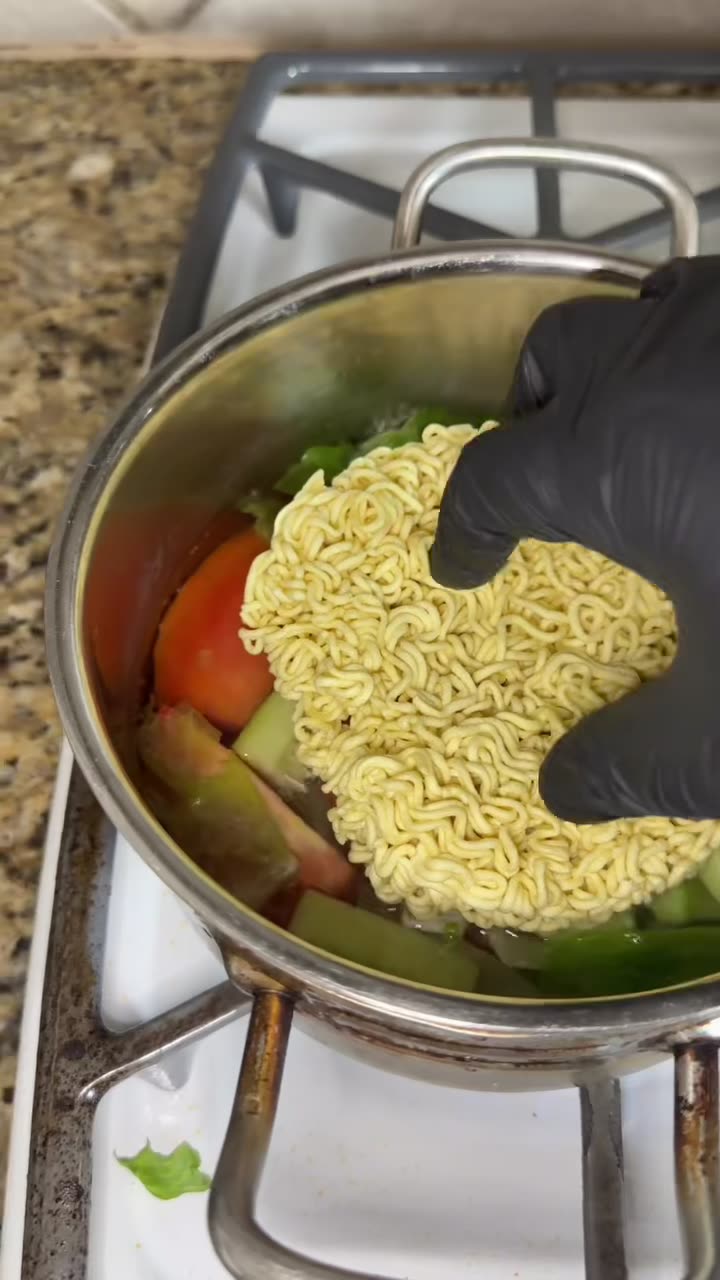
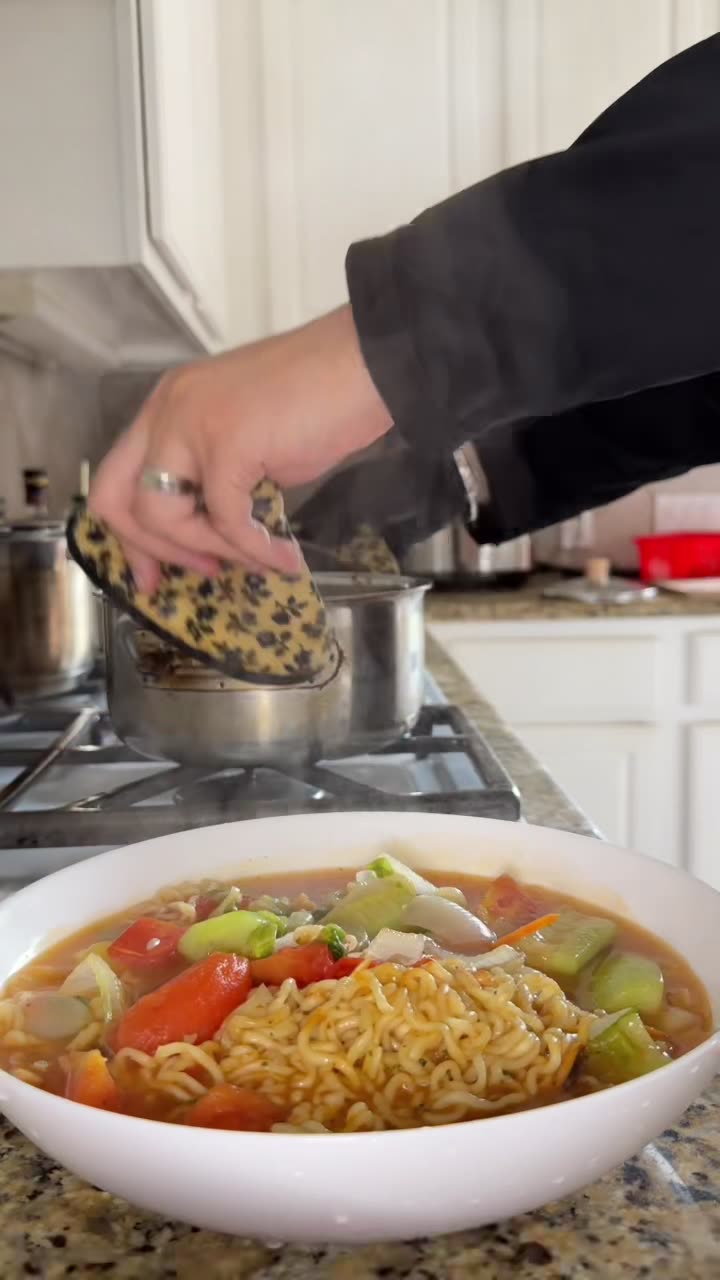
Into the boiling water go the tomatoes and the green vegetables, before the noodles — wedges of tomato, chunks of pepper and cucumber, the leafy greens, the onion. Give them the head start: the tomato needs those minutes to slump into the broth and color it, and the greens only need to wilt.
Why: noodles cook in four and a half minutes; a tomato wedge does not melt in four and a half minutes. The vegetables go first so both finish together.
4. The noodle block goes in
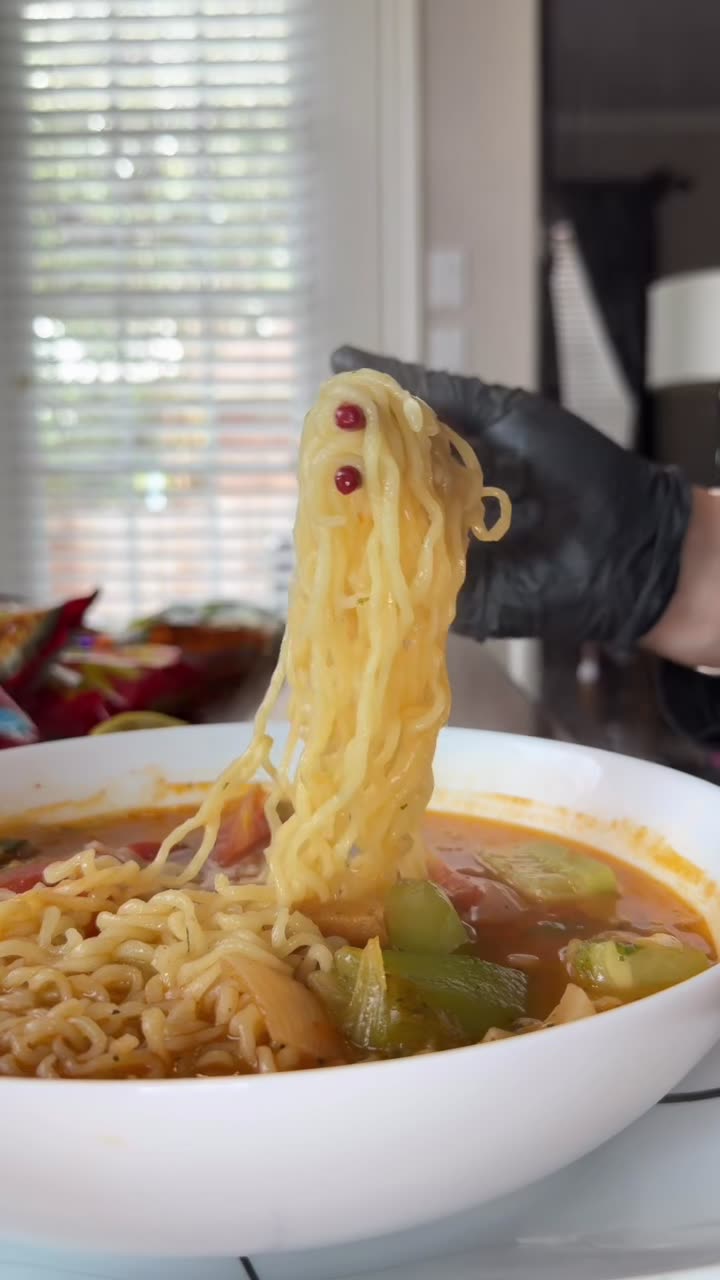
Lay the noodle block on top of the vegetables and let the broth take it. It softens from the bottom up; after a moment, turn it once and tease the strands apart with chopsticks so they cook evenly instead of in a slab.
Why: a block dropped into plain water can clump. Over the vegetables it steams and sinks gently, and one turn is all it asks for.
5. The whole seasoning pack
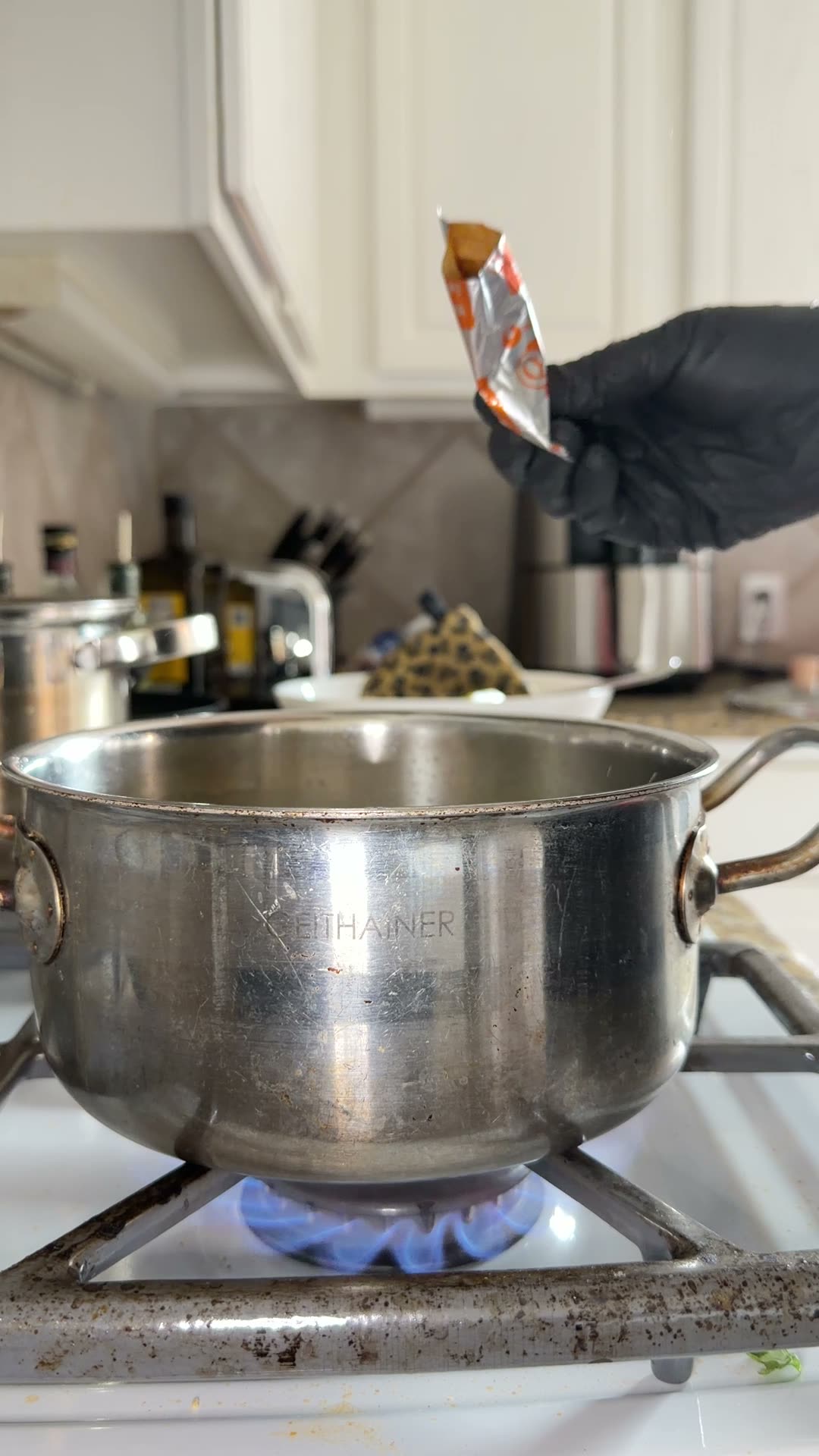
Add the seasoning base and the flakes — all of it. This is the bowl the verdict hangs on, so nothing is held back: the full pack, exactly as the maker portioned it. (Our roster's house rule for strong packs is often half; for this one, the test was the whole thing.)
Why: you cannot judge a pack you did not cook as directed. Half measures would have left the real question — how hot is it, really? — unanswered.
6. Cook on the pack's clock: 4½ minutes
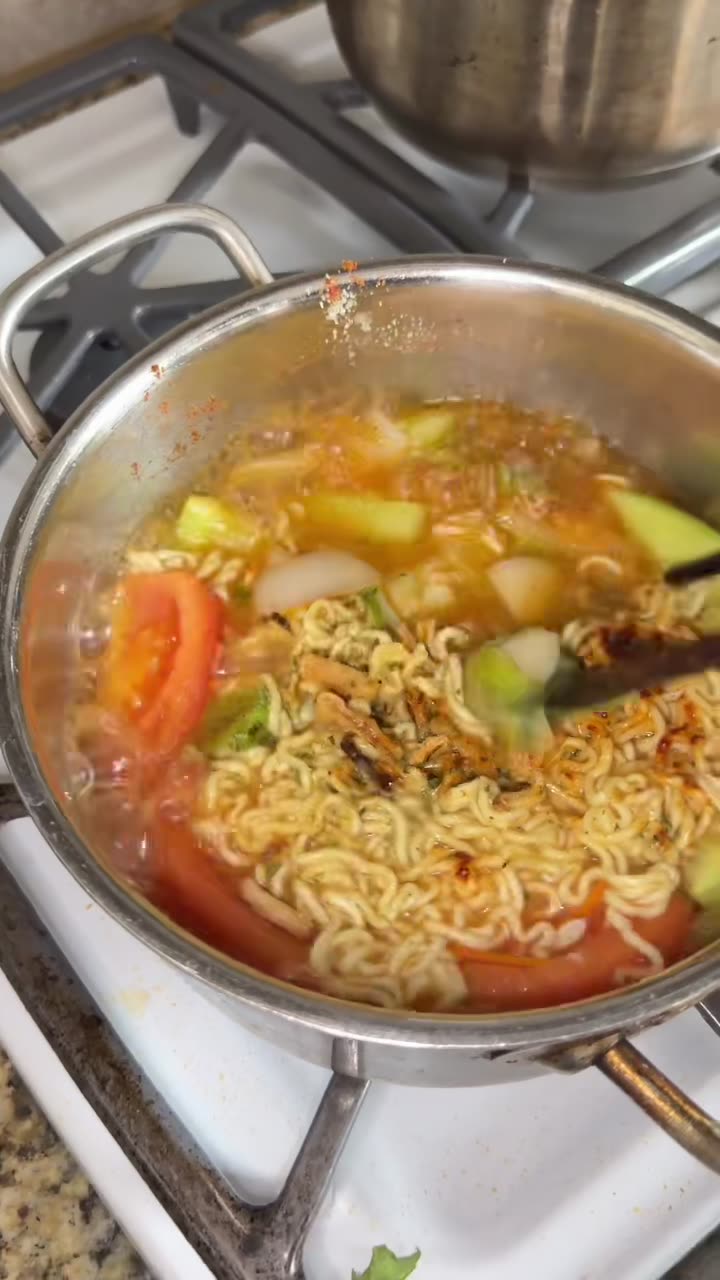
From here the pack's texture table is the dial: 4 minutes for firm, 4½ for medium, 5 for soft. Our own pot, timed that day, tells a shorter story: the noodles themselves cooked about 3½ minutes — a full minute under the printed 4½ — stirred now and then, until the strands loosened into the broth and turned springy. Set a timer either way — a minute is a different noodle.
Why: the chew is this bowl's whole character (wait for the verdict). The table on the back exists so the texture is a choice, not an accident.
7. A few drops of lemon to finish
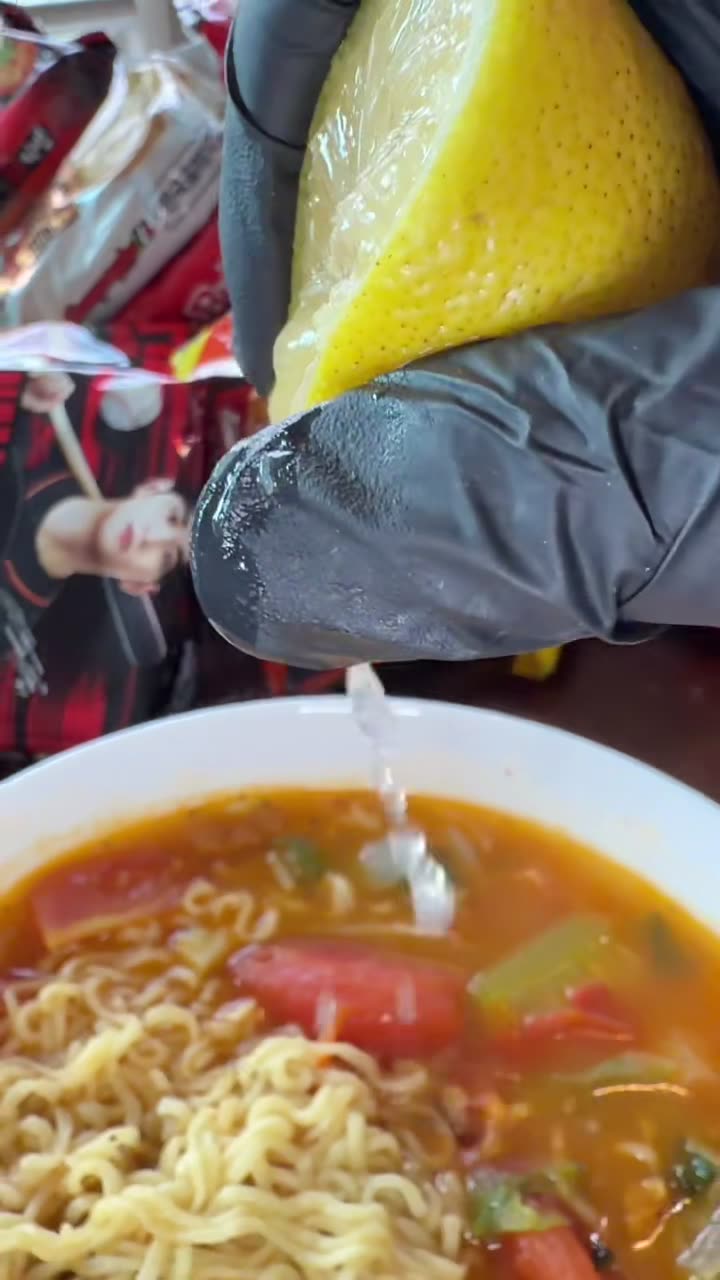
Off the heat, squeeze a few drops of lemon juice over the pot. Drops, not a wedge's worth — it should brighten the broth, not turn it sour. This is a house habit, not the pack's idea, and it may be part of why the bowl tasted the way it did.
Why: lemon lifts a broth the way it lifts a salad. And in the taster's own guess, it may have taken the edge off the salt as well.
8. The whole pot, one big bowl
Carry the pot to the table and tip everything — noodles, vegetables, every drop of broth — into one big white bowl. No portioning, no second bowl. That is how it was eaten: the whole pack, the whole pot, one bowl, straight away.
Why: a 125 g pack is one person's bowl. Serving it whole keeps the broth-to-noodle balance the pack was portioned for, right to the last spoonful.
Where this bowl sits in the battle
The Ramen Battle works through the roster one pack at a time, and Shin Green drew the first slot — a gentle opening. It is also the bowl in this family that a non-spicy eater can share without negotiation: no heat to manage, no second pot. Later stations climb the ladder (the roster's fire corner is the Buldak family); this one starts the run at ground level, and that is exactly what it was picked to prove.
The two moves that matter: vegetables first, lemon last
The pack handles the middle of this recipe — water, time and seasoning are all printed on its back. The bowl becomes ours at the two ends. At the start, the vegetables go in ahead of the noodles, so the tomato can melt into the broth instead of riding on top of it raw. At the end, a few drops of lemon go over the pot, and the broth brightens. Everything between those two moves is the maker's; the moves themselves are the house's. The battle film of this bowl is on our channel's schedule — when it premieres, it takes the video slot at the top of this page; the steps above are the complete method either way.
Where this bowl goes wrong
✕ Bracing for Shin heat that isn't coming
The Shin name promises fire; this pack does not deliver it, by design. Do not “fix” it with chili oil before you have tasted it — the gentleness is the finding, and for a lot of tables it is the whole point.
✕ Noodles first, vegetables after
Reverse the order and the tomato stays raw and crunchy while the noodles overcook waiting for it. The vegetables' head start is the one real piece of timing in this recipe.
✕ Drowning it in lemon
The finish is drops, not a squeeze. A whole wedge's worth turns a bright broth sour and buries the mushroom base. Add drops, taste, stop.
✕ Walking past the texture table
Boiled without a timer, the strands slide past springy into soft, and the bowl loses its strongest claim. The pack prints 4 / 4½ / 5 minutes for a reason — pick your line and set the clock.
Questions, answered
Is Shin Green spicy?
No — and that is the headline. The whole seasoning pack went in, and in the cook's own words it was “not spicy at all, and not very salty either.” The roster grades it Gentle: a tier of warmth rather than heat. If original Shin Ramyun is your reference, this is a different, much milder bowl wearing the same name.
How long does it take, start to finish?
The cooking itself is the pack's own clock: 500 mL of water to the boil, then 4½ minutes (4 for firm, 5 for soft). With the vegetables cut while the water heats, the whole bowl lands in about ten minutes.
How many calories are in a pack?
540 kcal per bag — the label figure for this version, double-checked against the maker's U.S. figures (our roster entry carries the sourcing). That is the pack as printed, before our tomatoes and vegetables go in; the bowl you build around it is yours.
What does “Green” mean here?
Mushroom and fried tofu — it is printed on the front of the pack, and it is the flavor base: a mushroom-led broth, not the beef-and-chili profile of the original Shin.
Can kids and non-spicy eaters eat it?
Yes — this is the finding of the day. In the taster's words, it is “a mild ramen that just about anyone can accept.” There is nothing in the bowl that needs diluting or leaving out for a gentler table.
Why the lemon?
A house habit: a few drops over the finished pot brighten the broth. The taster's own guess is that it may also be why the seasoning tasted less salty than expected. It is optional — but at our table, it stays.
Sources and related reading
Station No. 1 is in the books: a famous name, a gentle bowl, and a lemon habit that earned its place. The battle moves on to the next pack — at the mild end of the table, this is the standard it has to beat. Thank God for a bowl the whole table can share.
Cooking ideas, not nutrition or medical advice. Check allergens and cook meat and eggs to safe temperatures.